Garage Door Repair
Find repair options for stuck, noisy, uneven, damaged, or unreliable garage doors throughout the San Luis Valley.
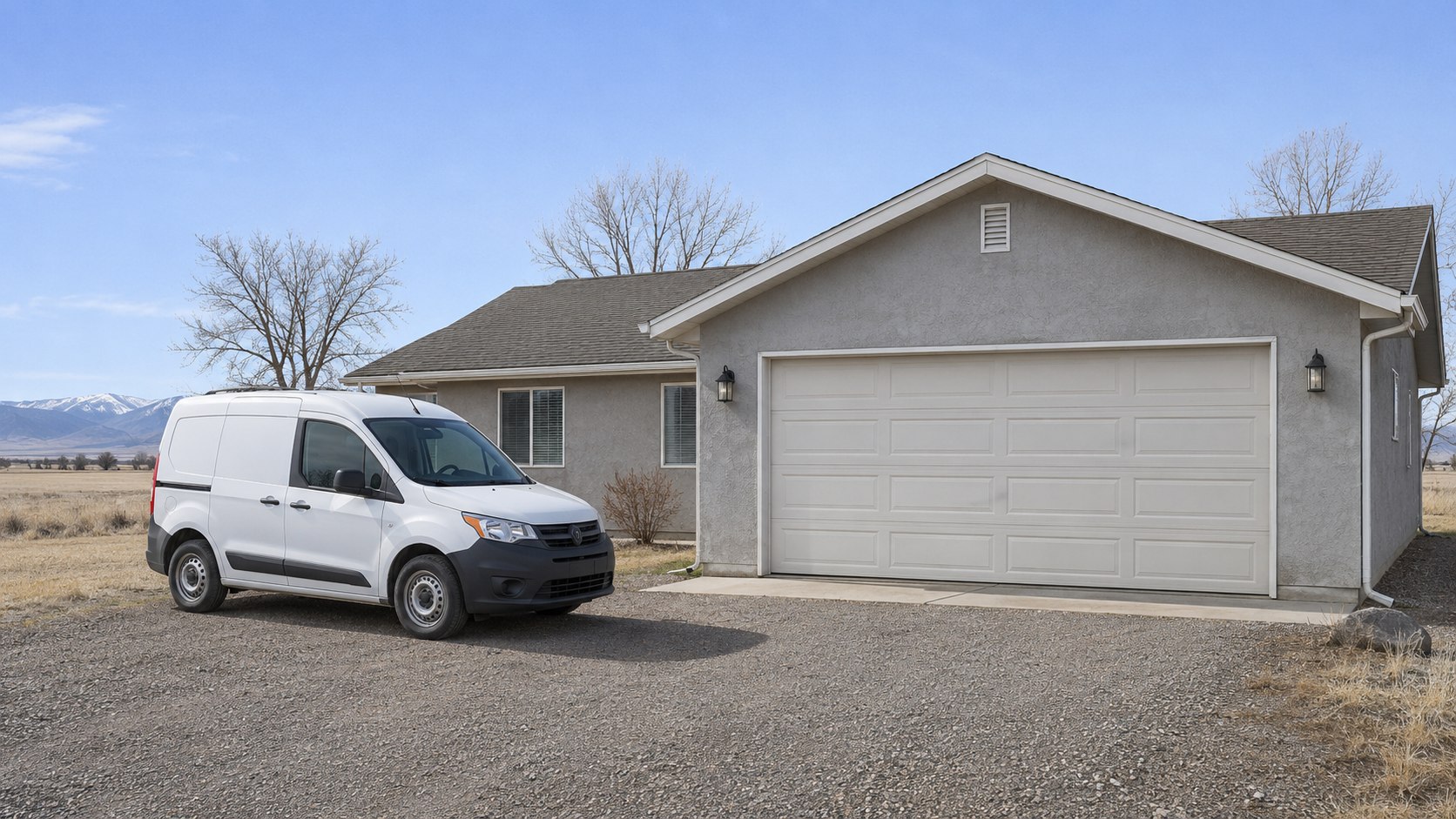
Alamosa, Colorado and San Luis Valley
Stuck door, broken spring, or opener trouble? Request a Garage Door Quote anytime.
Calls and quote requests welcome 24/7. Callbacks and on-site availability vary.
A garage door that will not open, closes unevenly, makes a sudden loud noise or stops responding to its opener can interrupt your day. Tell us what the door is doing, where the property is located and what you need addressed. You do not need to identify the failed part to request a quote.
Garage door repair, spring replacement, opener repair, damaged cables, off-track doors and complete installation each call for a clear scope. If a spring or cable appears broken, stop using the door and keep people clear of the opening. Describe the symptoms from a safe distance.
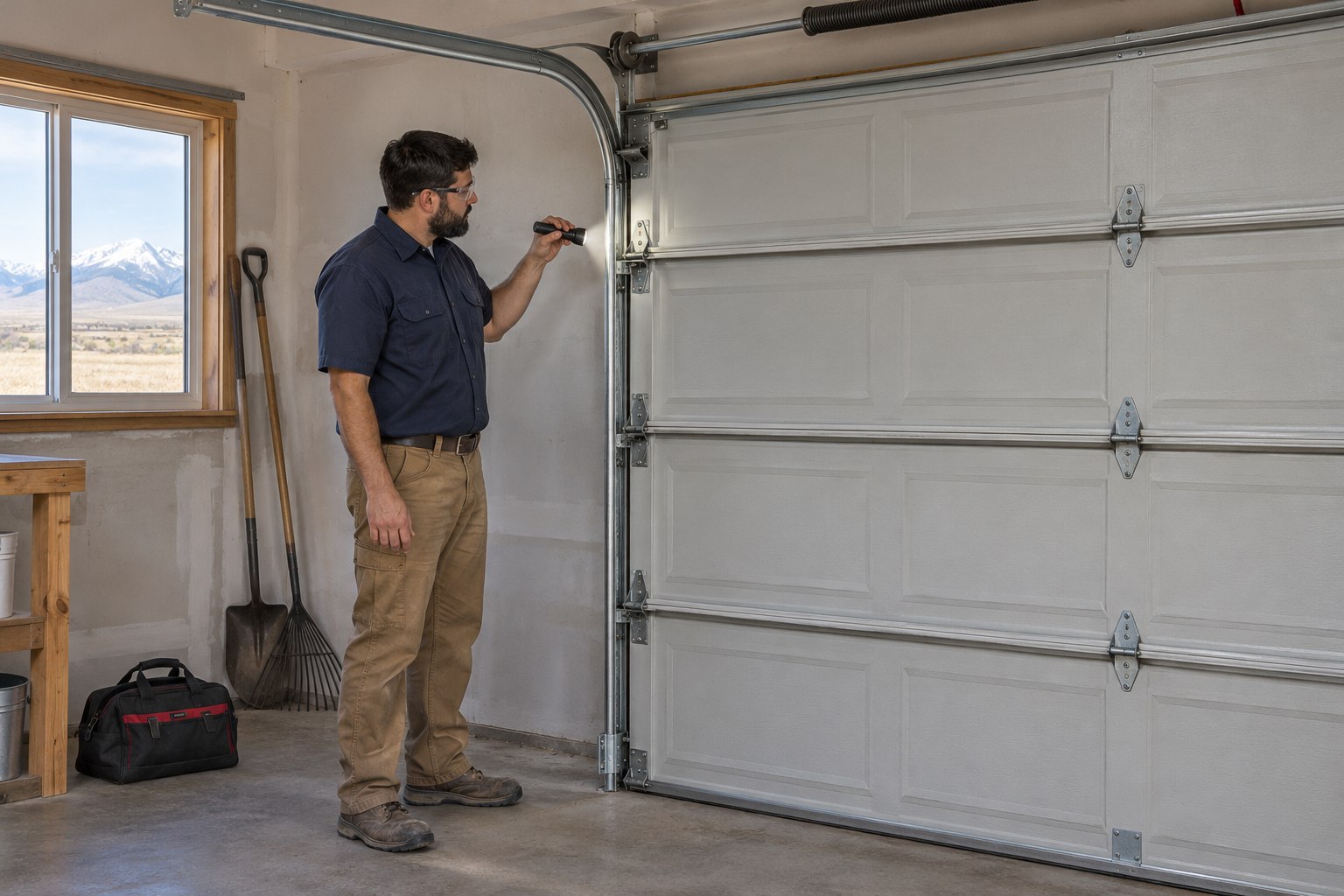
Garage door problems can involve several connected parts, but the right starting point is the symptom you are experiencing. Our five service categories cover general diagnosis and repairs, spring replacement, opener repair and replacement, cable and off-track problems, and complete garage door installation. You do not have to identify the failed part before asking for a quote.
Find repair options for stuck, noisy, uneven, damaged, or unreliable garage doors throughout the San Luis Valley.
Request professional evaluation and replacement of broken or worn garage door springs and related hardware.
Explore diagnosis, repair, and replacement options for garage door motors, controls, sensors, and opener systems.
Request assessment for loose or broken cables, crooked doors, damaged tracks, and derailed rollers.
Plan a new garage door with clear choices about dimensions, material, insulation, hardware, and installation scope.
Your goal might be to restore dependable access, secure an opening that cannot close, quiet an increasingly noisy door or choose a replacement that suits the garage. Start with that goal. A useful service discussion connects the proposed work to the problem you want solved, rather than assuming that every unfamiliar sound needs the same replacement part.
If several doors share a building, identify each one separately. A problem with one door does not establish the condition of the others. Note which opening is affected, whether the issue is constant or intermittent, and whether the door and opener were installed together. If you have paperwork from a previous installation or repair, it can help identify the existing equipment without handling the mechanism.
For planned improvements, explain how you use the garage. Vehicle clearance, storage, an attached living space, daylight preferences and the appearance of the house can influence the questions worth asking about a new door. Share your priorities before comparing products so the options address your actual plans.
A clear request also distinguishes a repair from other building work. Changes to the opening, framing, power supply, interior finish or driveway may need separate discussion. Ask who would handle any related work and which items are excluded from the proposed garage-door scope.
A garage door failure can look simple from the driveway but involve several possible causes. A door that moves only a few inches might have an obstruction, a spring problem, an opener issue, or damaged hardware. A door that hangs crooked may have cable or track trouble. A loud snap followed by a door that suddenly feels unusually heavy can be consistent with a broken spring. The first useful step is to observe what happened without attempting to force the door through another cycle.
If a spring or cable appears broken, the door is crooked, or a roller has come out of its track, keep people and vehicles clear. Do not try to lift, lower, straighten, or restrain the door yourself. Garage doors can be heavy, and their counterbalance systems contain components under substantial tension. Avoid touching spring hardware, cable drums, bottom brackets, or other tension-related parts. Do not repeatedly press the opener button to see whether the problem goes away.
If the door is stuck open, think about the security and access situation without putting yourself in the opening or beneath an unstable door. If it is stuck closed, avoid treating the opener as a way to overcome unusual resistance. A professional assessment may be necessary before the door can be moved safely. When an opening cannot be secured, mention that clearly in your request so the urgency can be understood, while recognizing that immediate service cannot be guaranteed.
A useful quote request describes whether the door is open, closed, partially open, or crooked. Add the approximate width, whether it is a single or double door, what noise you heard, and whether any parts look loose or broken. It is also helpful to distinguish between a wall button that does nothing, a motor that runs without moving the door, and a door that begins moving but reverses.
You do not need to make a mechanical diagnosis yourself. A clear symptom description is enough to begin a conversation about service options. Request a Garage Door Quote, provide your address, and explain the access situation. A service professional can determine whether the job is within its service area and what assessment or scheduling options may be available.
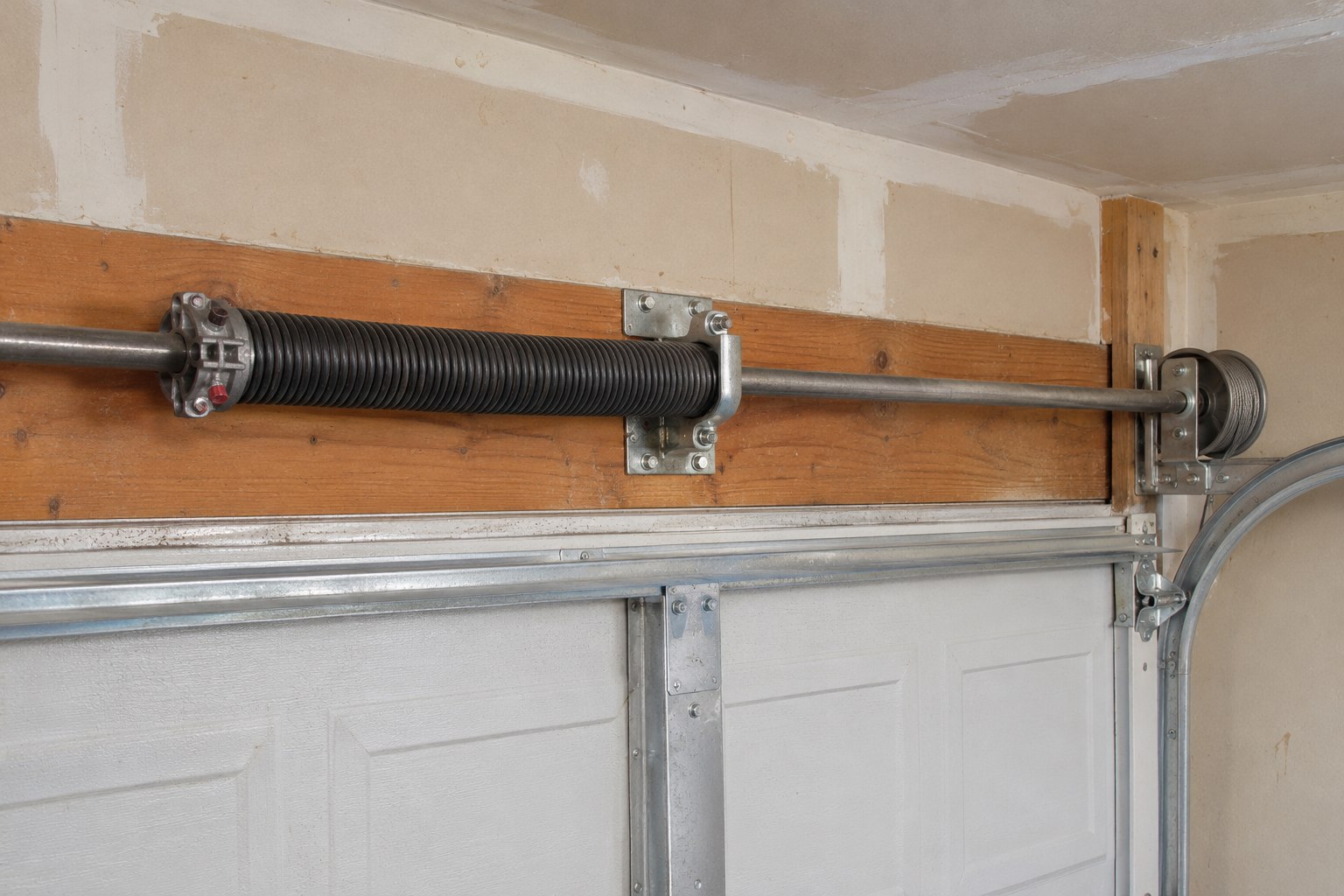
Not every garage door problem calls for a new door. If the door sections are in reasonable condition and the failure is limited to compatible hardware, an opener component, a roller, or another repairable part, repairing the existing system may be worth evaluating. The decision becomes less straightforward when multiple components are damaged, replacement parts are difficult to match, or the door itself is bent, deteriorated, or poorly fitted to the opening.
Start by separating the door from the opener. The door includes the sections, tracks, rollers, hinges, springs, cables, and associated hardware. The opener is the powered system that moves a properly balanced door. A new opener will not correct a damaged counterbalance system, and replacing a worn remote will not fix a physically jammed door. Likewise, replacing an entire door may not be necessary when an otherwise sound door needs a compatible opener repair.
Door condition matters. Look for visible dents that interfere with section movement, separation at panel joints, worn or damaged hardware, and evidence that the door does not align correctly. These observations should be made from a safe distance without operating a visibly damaged assembly. A professional assessment can distinguish cosmetic damage from problems that affect operation. If several sections are damaged, ask whether matching replacement sections are available and whether that approach makes practical financial sense.
Replacement offers other decisions. You may choose a different door material, insulation level, window configuration, appearance, and opener arrangement. A replacement project should account for the garage opening dimensions, available headroom and side clearance, track configuration, and the removal of existing equipment. Discuss whether any existing opener or hardware is suitable for continued use rather than assuming every component can be reused.
Requesting both a repair scope and a replacement scope, when appropriate, can make the choice clearer. Ask what is included, which parts are being changed, how the work will be tested, and what costs might change after inspection. The lowest initial figure does not always represent the same materials or labor. A clear comparison helps you decide based on the actual condition of the garage door instead of guessing from a single symptom.
A meaningful garage door quote starts with the specific work, not a generic price. Two doors with similar symptoms may require different parts, labor, and access arrangements. A written quote should reflect the parts fitted and the work included. Independent providers establish their own prices after considering the requested work and any assessment needed.
Door size and construction influence many jobs. A wider or heavier door may use different springs, cables, rollers, and hardware than a smaller door. Steel, wood, aluminum, insulated, and non-insulated constructions can affect replacement-part selection and handling. For installation, the exact opening width and height matter, along with headroom, side clearance, track layout, and the desired door style.
Spring work depends on the spring system and compatible specifications. It is not enough to request any spring that looks approximately the right size. Opener work also varies depending on the existing motor, rail or drive arrangement, control system, available replacement parts, and whether a complete opener replacement is more appropriate. Cable and off-track work may require correcting damaged hardware or identifying a related spring or alignment problem before the door can be returned to normal operation.
Access and location are part of the quote. A provider may need to consider whether the garage is attached or detached, whether the entrance is easy to locate, and whether there are obstacles around the opening. For service-area properties outside Alamosa, travel arrangements may affect the total. Installation quotes should address delivery, removal of the old door, disposal, new hardware, opener compatibility, and finishing tasks where relevant.
These are national ranges from published cost guides (HomeGuide, Angi and Fixr, checked November 2026). For a Colorado reference, Angi’s Denver data puts a typical repair at $153 to $372. Travel to rural parts of the Valley can add to any of these, so treat them as a starting point, not a quote.
Ask for an itemized explanation of parts, labor, travel charges, assessment fees if any, removal and disposal, and any exclusions. Clarify whether the amount is a preliminary estimate or a confirmed quote after inspection. You should also ask what happens if additional damage is identified. Providing good information in advance makes these conversations more productive without implying that a quote can always be finalized remotely.
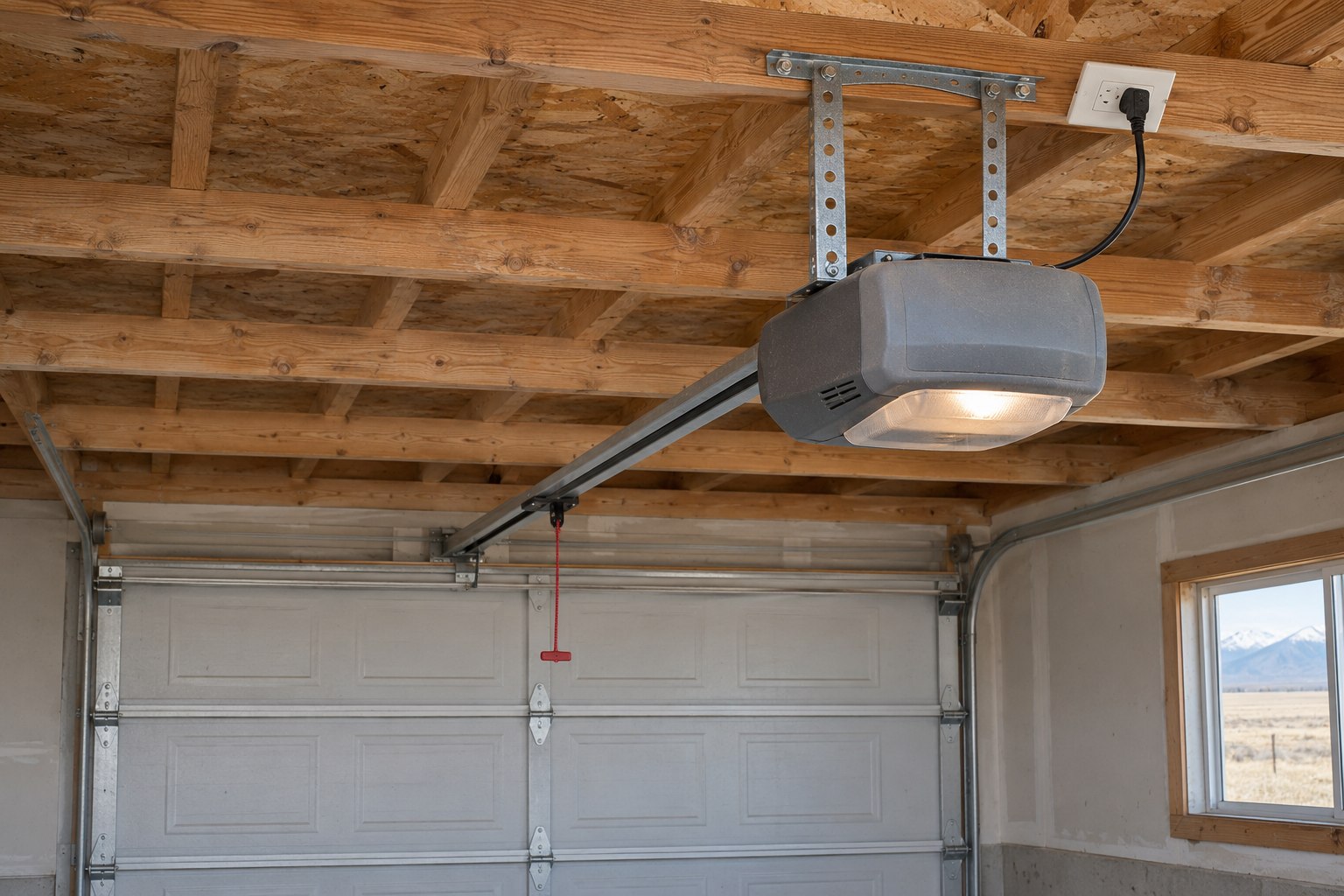
You can make a garage door request more informative without touching or disassembling the equipment. Begin with the complete property address and the kind of garage opening involved. A detached garage, an attached residential garage, and a larger outbuilding can have different access conditions. If a property has more than one garage door, explain which one needs attention and whether the other doors are working normally.
Describe the symptoms in ordinary language. Examples include the opener hums but the door does not move, the door rises unevenly, the door closes and reverses, a cable appears loose, or one panel has been hit. Say when you first noticed the problem and whether it happened suddenly or gradually. If you heard a snap or noticed a visible gap in a spring, report it without approaching the damaged components. An accurate description is more valuable than an uncertain diagnosis.
For a replacement project, note the approximate opening dimensions if you already know them. Explain how many doors you are considering, the material or appearance you prefer, whether insulation matters to your plans, and whether you want an opener evaluated as part of the project. Do not climb ladders, remove trim, or enter an unsafe opening to collect measurements. A provider can explain which dimensions must be confirmed on-site before products are ordered.
Property access is another important detail in the San Luis Valley. Include the correct entrance, any gate or access arrangements, and instructions that would help a provider find the work location. Avoid submitting access codes or sensitive security information in a general inquiry unless a secure method has been established for sharing them. If the garage is a separate building, say where it is relative to the driveway or main structure.
Finally, explain your preferred contact method and the scheduling situation. Calls and quote requests welcome 24/7. Callbacks and on-site availability vary. Once a service professional considers the request, availability and next steps can be discussed. Request a Garage Door Quote with the details you know, and leave the technical assessment to the service professional.
Garage doors are large moving assemblies that combine mechanical hardware with powered equipment. Their normal operation depends on the door being properly supported, balanced, aligned, and controlled. When one component fails, other parts can be affected. This is why a door that looks like it only needs a small adjustment may need a broader professional inspection before anyone attempts to move it.
The most important safety boundary involves springs and cables. These parts work with the door's counterbalance system and can be dangerous when damaged or handled improperly. Do not adjust spring tension, loosen spring hardware, disconnect loaded cables, or try to put a derailed door back into its tracks. If the door has become unstable, keep the area clear and describe the condition when requesting professional attention. A damaged door should not be operated merely to test whether it might still work.
For powered doors, avoid assuming the motor is always the cause of a failure. An opener may stop because of a problem elsewhere in the system. Safety sensors and controls also require proper operation. Any proposed repair should address the reason for the symptom rather than simply restore movement for one test cycle. Ask what operational and safety checks the provider includes after completing work.
Scheduling is particularly important when the property is outside the primary Alamosa area. A full street or rural service address helps determine whether a service professional can consider the job. Travel, access, requested parts, and appointment availability may all influence the response. Confirm coverage and scheduling using the complete property address. If your plans depend on completing work before a specific date, state that deadline plainly so the provider can say whether it is realistic.
Start with the door symptoms, property address and the access situation. Discuss the proposed assessment, repair scope, parts, price and scheduling so you can make a clear decision about the next step.
Start with Alamosa, or choose your community below. Include the complete property address and access details so coverage and scheduling can be confirmed for your job.
Ask who will perform the job and who will be responsible for questions afterward. Confirm the provider's relevant qualifications and insurance directly. A website inquiry starts a conversation; the person or company accepting the work should explain its own assessment, service terms and schedule.
Make sure the written scope identifies the door or opener involved, the proposed parts and the labor included. For replacement equipment, ask about the specific product, dimensions and compatibility rather than comparing descriptions such as standard door or new motor. Clarify what will happen to existing hardware and whether removal and disposal are included.
Discuss any parts and labor warranty with the provider. Ask what is covered, how long the stated coverage lasts, what exclusions apply and whom to contact if the same symptom returns. Keep the agreed scope, invoice and product information together for future reference. Do not assume that two quotes include the same coverage simply because their main descriptions sound similar.
Before the job is considered finished, ask the professional to explain the completed work, the operational and safety checks performed, and the care instructions appropriate to the installed equipment. If a remaining issue requires additional work, ask for that limitation to be explained clearly. Arrange future maintenance or follow-up directly rather than attempting adjustments to tension-related components yourself.
The request process concentrates on actual garage door problems, from noisy rollers and damaged panels to spring failures and opener faults.
We explain which measurements, symptoms, photographs, and access details can help a service professional understand the job.
Quote requests are welcome 24/7, but callback times, provider coverage, and on-site scheduling must be confirmed.
We encourage property owners to compare the condition of their existing door with the proposed repair scope before choosing a solution.
Requests can include Alamosa and surrounding Valley towns, with property-specific confirmation of travel and availability.
A few public sources worth knowing before you schedule garage door work in the San Luis Valley:
Note whether the opener responds, whether the door is crooked, and whether a spring or cable looks damaged. Do not force the door or operate it if counterbalance parts appear broken. Submit the symptoms and property address to request a professional assessment.
Yes. Quote requests are welcome 24/7 through this site. Callback times, provider availability, and possible appointments vary, so an after-hours request is not a promise of immediate service.
No. The service-area list describes where requests can be submitted for consideration. Coverage, travel, and available scheduling must be confirmed using the specific property address.
Not necessarily. A failed opener may be repairable or replaceable without changing a sound garage door. A service professional can assess the door's condition and explain whether additional work is needed.
Include the complete address, number of doors, approximate door dimensions if known, the problem's symptoms, and useful access information. If you have an installation project, describe your preferred material, insulation, and opener options. Final details may still require an on-site assessment.
Calls and quote requests welcome 24/7. Callbacks and on-site availability vary.